

Best Appliance Repair Companies in Colorado Springs, CO
Colorado Springs, Colorado

Best Appliance Repair Companies in Colorado Springs, CO

Find trusted appliance repair professionals serving Colorado Springs. All contractors are independently researched and certified.

Only companies with a Certified Best Pick® badge meet our strict satisfaction & licensing requirements and are eligible for the Best Pick Guarantee.

1
Recommended Pros
1k+
Verified Reviews
Locally FocusedResearch-VerifiedFree Service

1 Contractors

Only companies with a Certified Best Pick® badge meet our strict satisfaction & licensing requirements and are eligible for the Best Pick Guarantee.

Mr. Appliance of the Front Range
Certified Best Pick

Mr. Appliance of the Front Range

Certified Pro

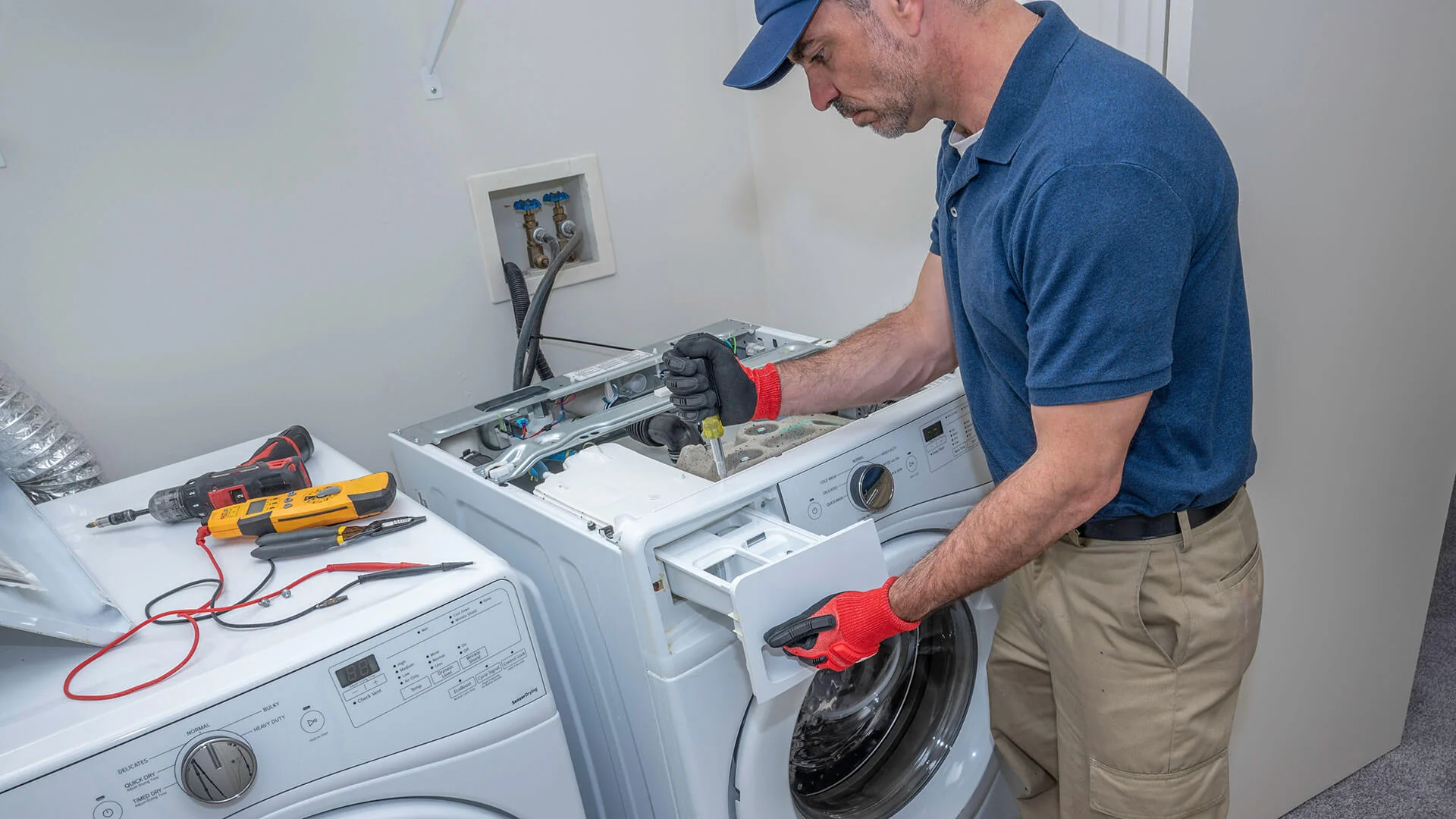
"At Mr. Appliance of the Front Range, we want to be the first company you think of when it comes to appliance repair. We've built our business on tenets of integrity, reliability, and honesty. Our repair technicians in Colorado Springs specialize in all major appliances and offer comprehensive maintenance and repair services to keep your units in top condition. We work proactively to protect and resolve any issues that may come up in the future."

Certified Best Pick Insured Workers' Comp

Certification Standards

How Colorado Springs Appliance Repair Companies Earn Best Pick Certification

Only appliance repair companies that meet our strict standards earn Best Pick status.

Customer Satisfaction

Appliance Repair companies must maintain a 4.0+ rating and an 80% recommendation rate.

Licensing & Insurance

Current state contractor license verification and general liability insurance for appliance repair work

Business Stability

Minimum 1 year in business with established local presence

Verified State Standing

Maintain active business registration and in good standing with the state

Operational Excellence

Consistent appliance repair service quality across all projects

Annual Re-Certification

Must re-qualify every year through new research

Frequently Asked Questions

Common questions about Certified Best Pick® appliance repair companies in Colorado Springs, CO

Best Pick Certified Appliance Repair companies in Colorado Springs, CO have earned their status through independent consumer research—not paid placement. To qualify, a company must meet strict standards:

  • High customer satisfaction: 4.0+ Google rating (25+ reviews) OR 80%+ recommendation rate from surveyed customers
  • Verified credentials: Active state licenses, general liability insurance, and workers' comp (where required)
  • Financial stability: Clean credit history and active Secretary of State standing
  • Local track record: Minimum 1 year serving the Colorado Springs, CO area

Certification is re-verified annually, ensuring continued performance.

No. Appliance Repair companies cannot buy Best Pick Certification, improved ratings, or better placement. Our research team independently evaluates companies based on customer satisfaction, licensing, insurance, and business stability—before any business relationship exists.

Companies that earn certification pay a participation fee after qualifying, which covers the cost of ongoing research and publication. This fee has no influence on whether a company qualifies or how they appear in our directory.

The Best Pick Guarantee provides financial protection—up to $2,500 in labor costs—if a Certified Best Pick Appliance Repair company fails to deliver on their commitments.

To be eligible:

  • Contact the company through Best Pick Reports or BestPickReports.com
  • Register for the guarantee (free)
  • Submit any claim within 45 days of the final date of service
  • Allow the company the opportunity to resolve the issue first

This guarantee applies only to Certified Best Pick companies, not Standard Pros. Full terms are available on our guarantee page.

  • Colorado Springs Utilities supplies soft mountain snowmelt averaging under two grains per gallon. This clean water supply comes from the Homestake and Fryingpan-Arkansas systems. Because mineral buildup is exceptionally rare in local homes, service calls rarely involve heavy scale. Instead, repairs focus on mechanical wear like failed pump impellers, worn motor bearings, and fatigued water inlet valves.
  • Sitting at 6,035 feet elevation with over 150 freeze days creates unique challenges for refrigeration equipment. Unheated garage and basement refrigerators often stall when ambient air temperatures drop below operating range. A local appliance technician can recalibrate controls or install specialized garage heater kits. These accessories keep appliances running reliably through subzero winter cold snaps.
  • Natural gas fuels many cooking ranges, clothes dryers, and wall ovens throughout local neighborhoods. An appliance service technician handles internal heating elements, spark igniters, and electronic control boards. However, connecting or disconnecting any gas supply line requires a licensed plumber. The Colorado State Plumbing Board and Pikes Peak Regional Building Department regulate all fuel-gas piping work.

Always ask for proof of liability insurance and an EPA Section 608 certification before hiring any technician. Colorado does not license appliance repair as a standalone trade. Because of this, these two items are your primary vetting tools. Active liability coverage protects your home if unexpected damage occurs during a service call. The federal refrigerant qualification confirms that the technician can safely handle sealed cooling systems and recover fluids. If your job involves a gas stove, range, or dryer, look for a plumber licensed by the Colorado State Plumbing Board. Gas line hookups also require permits from the Pikes Peak Regional Building Department to meet local safety codes.

You can compare local appliance repair companies quickly by turning to objective third-party research. Best Pick Reports completes thorough annual audits and direct homeowner surveys to identify top service providers. Each candidate must maintain excellent customer satisfaction ratings and carry active insurance policies. Hiring a certified appliance repair company from the directory ensures your home receives high-quality service from proven professionals. Their merit-based qualification process removes the guesswork from selecting a qualified team for your home. Furthermore, every project with a listed provider includes up to $2,500 in labor cost protection under the Best Pick Guarantee.

High-elevation weather swings and localized power spikes create distinct warning signs that your household units need professional attention. Pay close attention to these common indicators across your major home systems:

  • Garage or basement freezers and refrigerators stop cooling during high-country winter cold snaps. When unconditioned ambient air drops below the thermostat threshold, the system shuts off the cooling pump, causing stored food to thaw.
  • Electronic control boards stop working after severe summer hailstorms and intense Front Range lightning. Sudden power surges damage sensitive microprocessors, leaving dishwashers, clothes washers, or digital ovens unresponsive, humming, or locked in error loops.
  • Mechanical pumps, motor bearings, and water valves make loud grinding or squealing noises in historic neighborhoods like Old Colorado City and Old North End. Older post-war appliances in these historic properties frequently experience mechanical wear as they reach the end of their first service life.
  • Washing machines and dishwashers leak or fail to drain properly despite clean supply lines. Because Colorado Springs uses soft mountain snowmelt, mineral scale buildup is rare. Instead, drainage failures usually point to worn rubber drive belts or failed drain pumps.

When you notice these localized failure signs, book an inspection with a local appliance repairman to restore proper household operation quickly.

  1. Check your outlet and electrical supply. Reset a tripped circuit breaker once, or test the wall receptacle using a small lamp to verify active power. Ensure all power cords sit firmly inside grounded outlets without damaged prongs.
  2. Measure ambient garage temperatures if your refrigerator sits in unconditioned space. High-elevation winter cold regularly drops garage temperatures below forty degrees. This extreme cold stalls the internal thermostat before the cooling pump turns on, causing food in the freezer section to thaw.
  3. Inspect long ductwork if your clothes take multiple cycles to dry. About twenty percent of local housing predates 1970. In older neighborhoods like Patty Jewett or Ivywild, basement laundry setups feature long dryer vent runs. These vents gather heavy lint and choke exhaust airflow over time.
  4. Check for worn mechanical components or loose supply lines on dishwashers and washing machines. Colorado Springs Utilities supplies remarkably soft mountain snowmelt with under two grains per gallon of hardness. Mineral scale is a non-issue here, so water inlet valves fail from mechanical wear rather than chalky buildup.
  5. Verify door latches and rubber door seals on clothes washers and ovens. A misaligned latch or dirty door seal prevents the electronic control board from starting the cycle. Wipe down door gaskets with a warm damp cloth to remove trapped grit and restore proper alignment.
  • When to stop and call a pro: Stop immediately if your project touches gas supply, high-voltage power, or internal cooling loops. Connecting natural gas lines requires a plumber licensed by the Colorado State Plumbing Board. Modifying heavy 240-volt hardwired circuits requires a state-licensed electrician under the Colorado State Electrical Board. Opening sealed refrigerant lines requires an appliance service technician holding an EPA Section 608 certification.